Kunene Mouth
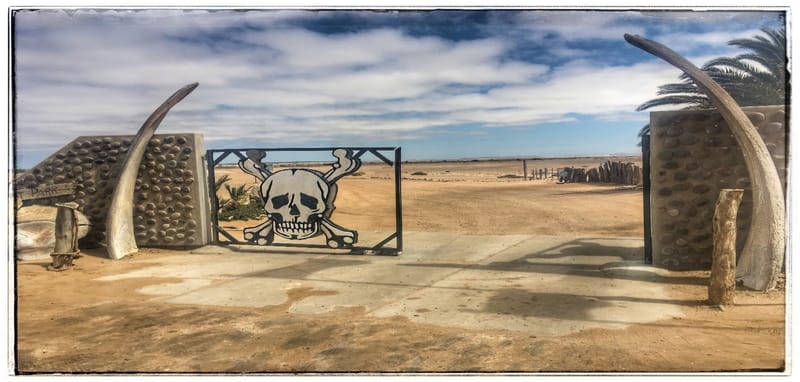
The Skeleton Coast Park with its ambiance, ephemeral rivers and wildlife make it a once in a life-time experience and a must see.
The ecosystem of the area is massive shaping into landscapes that leave you speechless, more than 180 different species of Lichens, Welwitschias, ancient Bushman Circles and more. And then, just when you think you have seen it all, we reach the mouth of the Kunene River.
This tour offers you a walk-through history, ambiance and culture.
 Making way NorthDay 01 - 441km
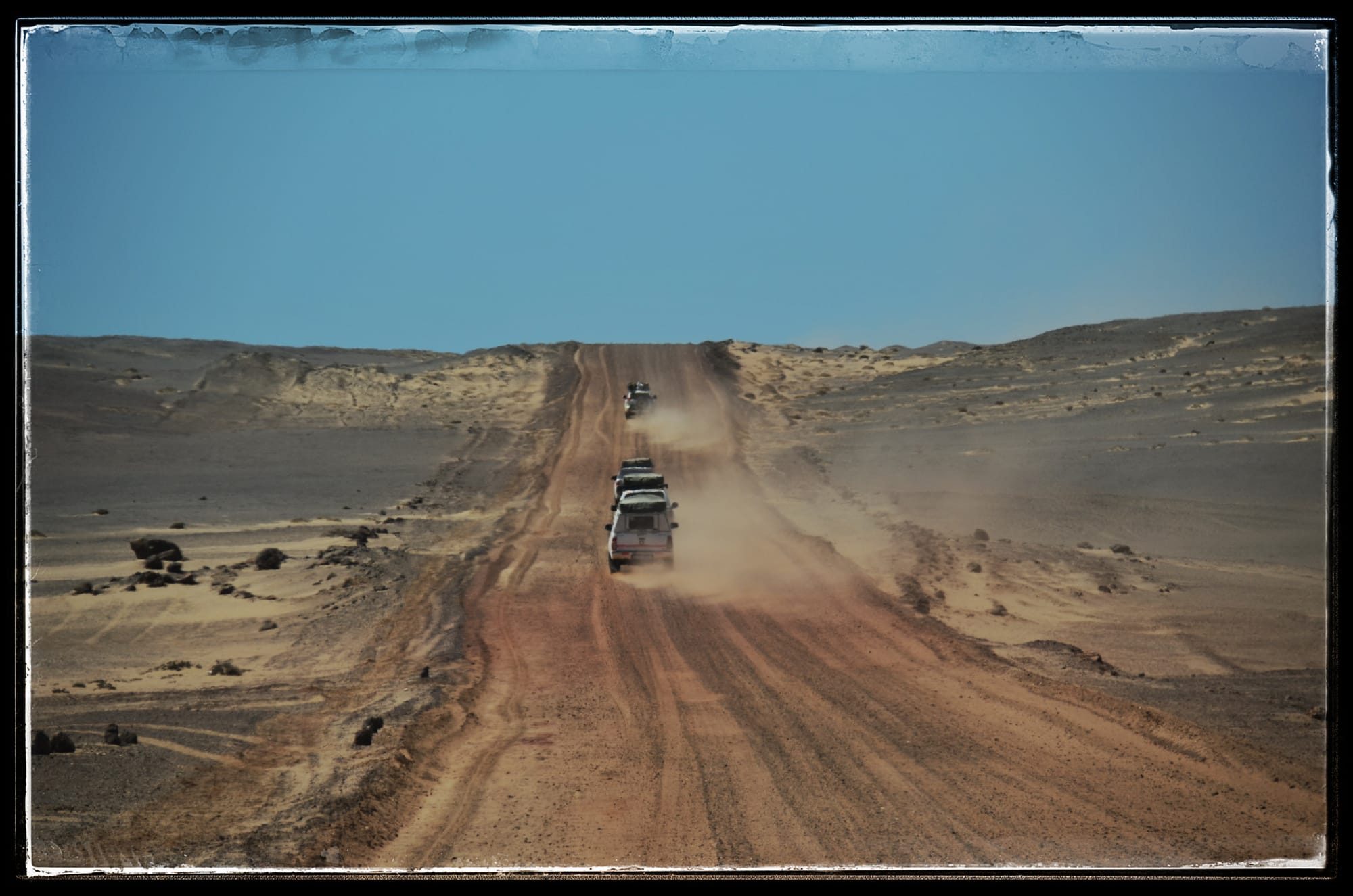
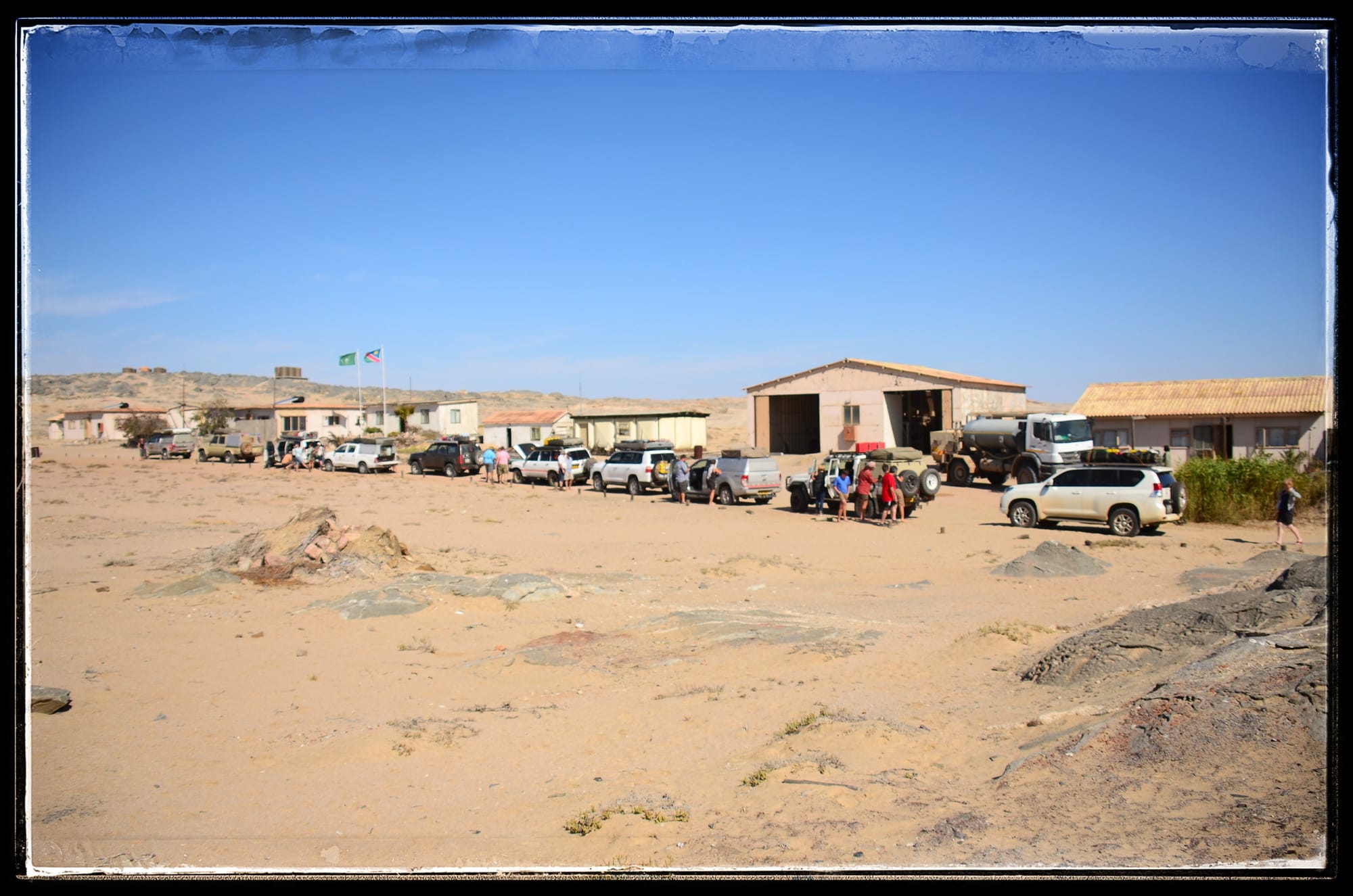
Early morning, we meet in Swakopmund. The exact location will be given on the WhatsApp group that you will be added on prior to departure. Radios will be installed in each vehicle followed by a quick and short briefing, before we depart for the Skeleton Coast Park. The name was first used by newspaperman, Sam Davis in 1933 and it has since stuck. We enter the Park at the Ugab River, making way to Terrace Bay where we will fuel for the last time before heading deeper into the park. Landscapes and solitary driving are on the menu for today as we will experience some of the most extraordinary landscapes. Our last checkpoint is Mowe Bay, where the Skeleton Coast Park wardens live that patrol the park.
O/N Camping – Wild Camping at Mowe Bay.
 Mowe Bay - last resort Day 02 - 120km
Interesting points to be visited during the day includes the diamond mining attempts of the Schoeman family, the crash site of the Ventura Bomber that tried to rescue the survivors of the Dunedin Star.
 People lived here
Our first taste of the dunes today as we cross dropping into the Hoarusib river where it mouths into the Atlantic Ocean. We take a drive up the river passing interesting sandcastle formations and cross over to the most unreal landscapes and Lichen Fields.
We work our way further down the river almost to the point where we will exit the Skeleton Coast Park, a point of no return. We turn sharp and work our way to the Khumib river where we will sleep in the area.
Wild Camping in the Khumib River.
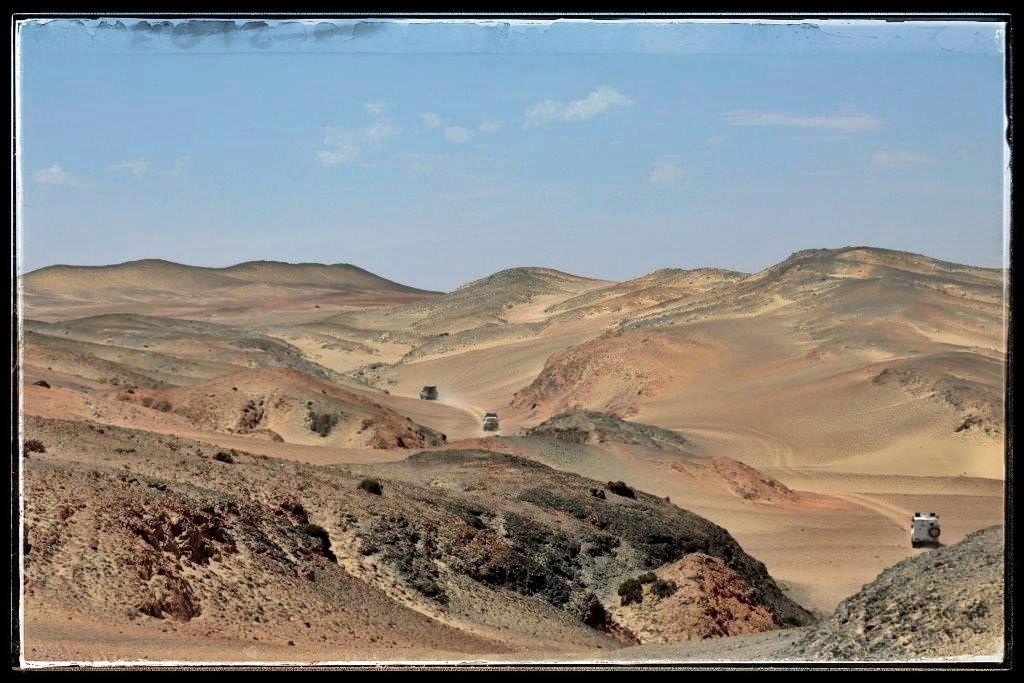 Lichen fieldsDay 03 - 250 km
The landscape is unreal and filled with ambiance. We exit the Khumib River making our way back to the coast. We pass by an old mine, where you just wonder how they did it. Signs of life thousands of years ago is found at the Bushman Stone Circles, and you just look and wonder.
Passing Cape Fria, we make way north to the place where the survivors of the Dunedin Star lived for months until rescued by an overland rescue team, a rescue that is noted as the longest rescue attempt in Namibia. From here we push for the Kunene River where we will stay for the next two nights at our camp. Fix showers and toilets await us here.
Camping at camp Kunene Mouth.
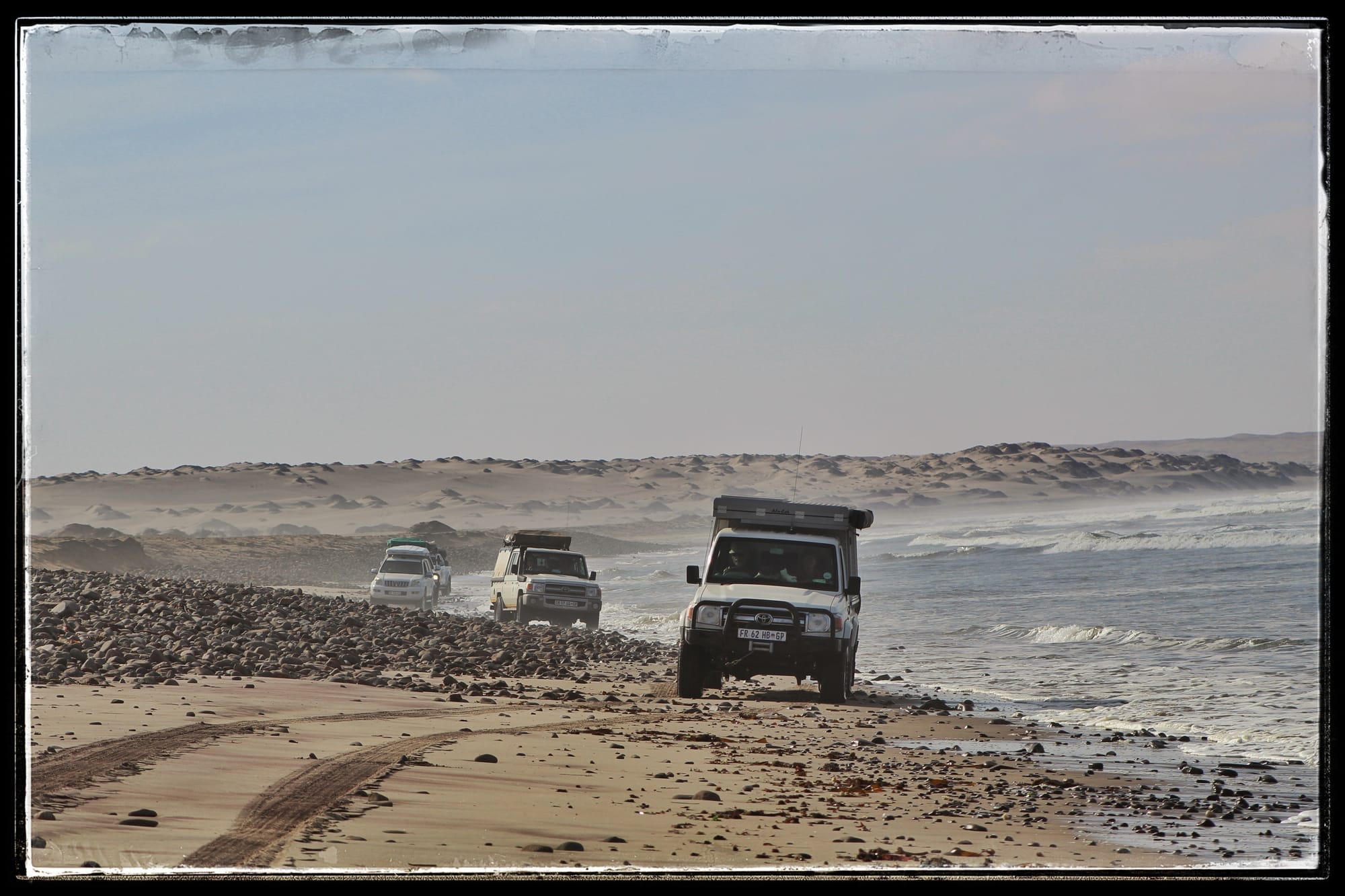 Beach DrivingDay 04 - 50km
Today we visit the mouth of the Kunene River. We will spend the day on the beach fishing, braai and relaxing.
Camping at camp Kunene Mouth. 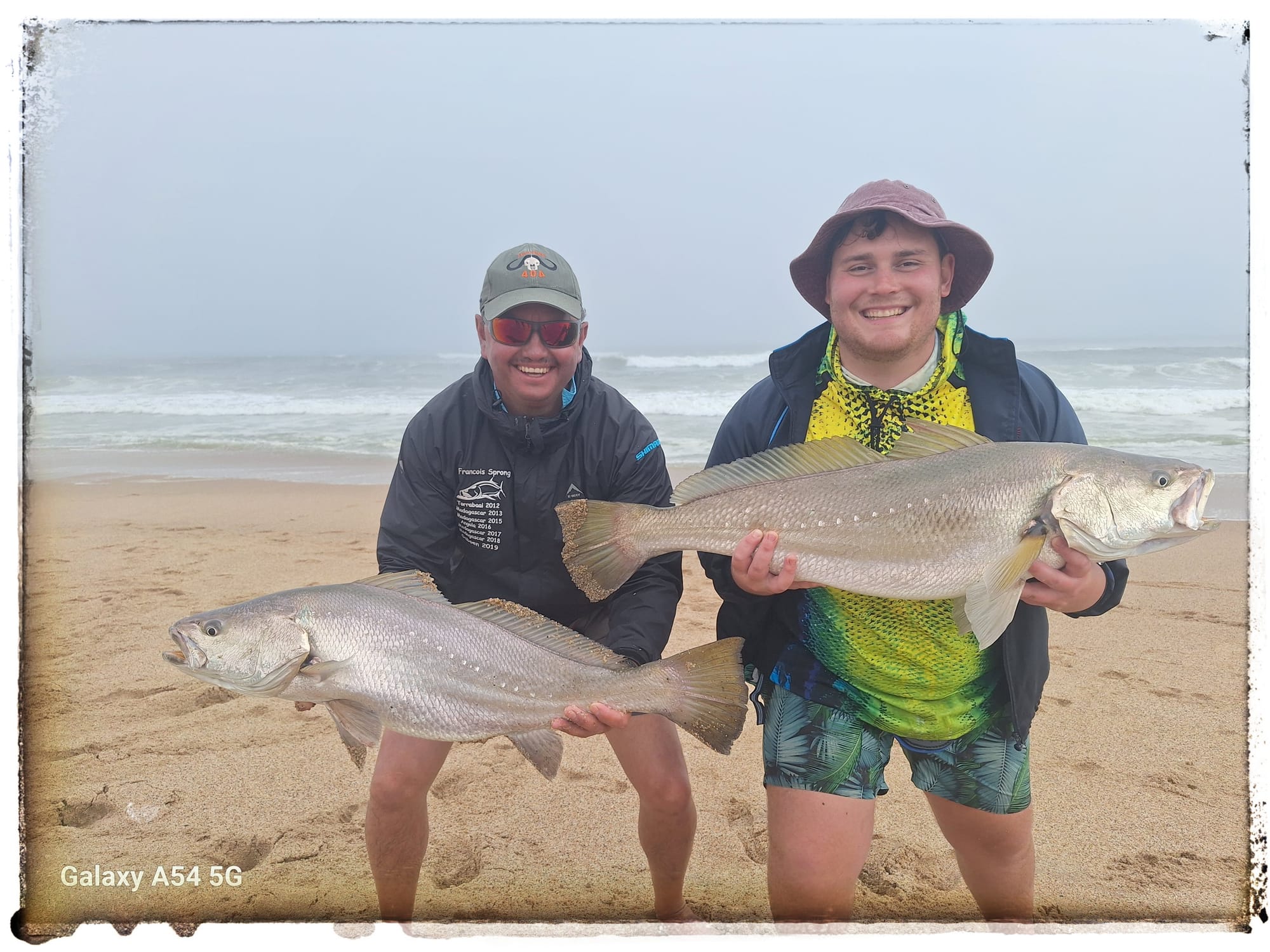 Great day for everyone to enjoy
Day 05 - 70km
The best way to describe today is “it’s not that far, but quite a distance". The dunes are big, and it promises to be a true adventure. But don’t let this discourage you as the story of the dunes fighting the river makes for interesting scenery and makes this day very enjoyable.
We follow the Kunene Riverbanks on the ridge of the dunes up to a point where we must leave the river and head for the Hartmann's Valley.
Wild Camping near Seirra Kafema.
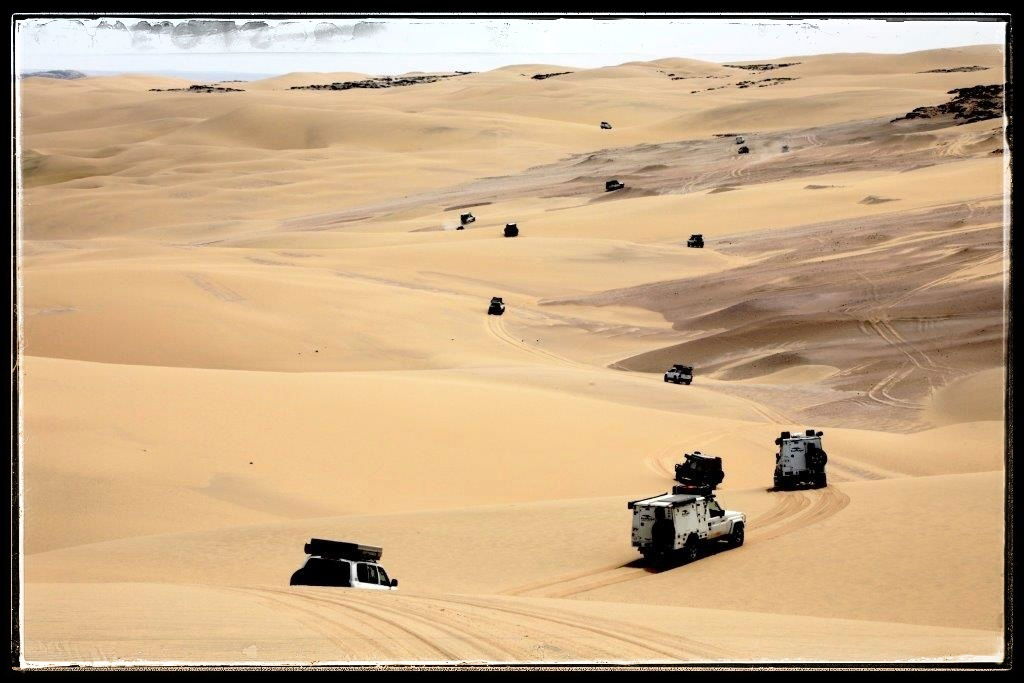 Making way through the dunes
Day 06 - 160km
Following the Hartmann's Valley we head deeper into Kaokoland, land of the Himba which have been plagued by severe droughts, guerrilla warfare (during Namibian independence and the Angolan civil war) and the German forces that decimated other groups in Namibia. Despite Himba life nearly ending in the 1980s, they have persevered, and their people, culture and tradition remain. The women are famous for rubbing their bodies with otjize, a mixture of butter fat and ochre, believed to protect their skins against the harsh climate. The red mixture is said to symbolize earth's rich red color and the blood that symbolizes life.
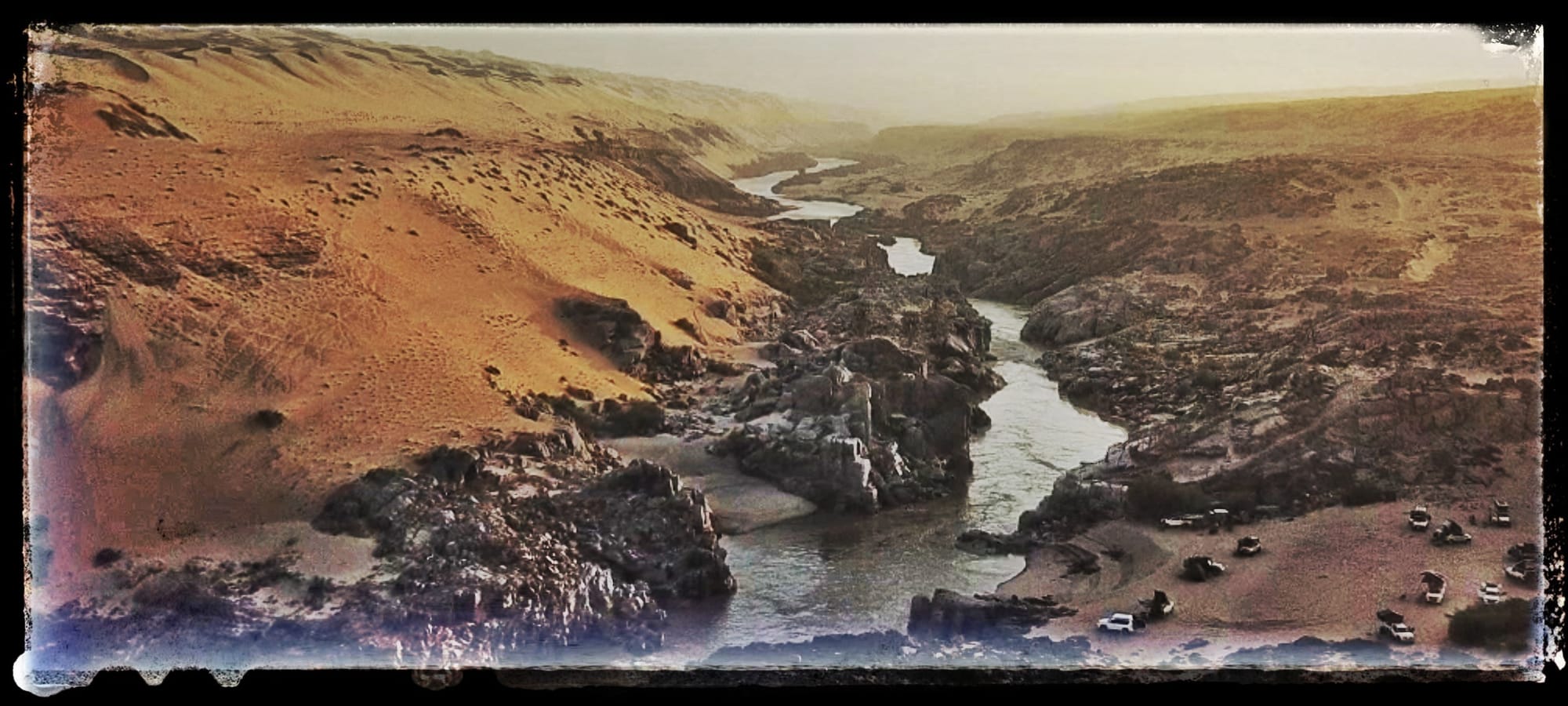 Kunene River cutting its way through the dunes.
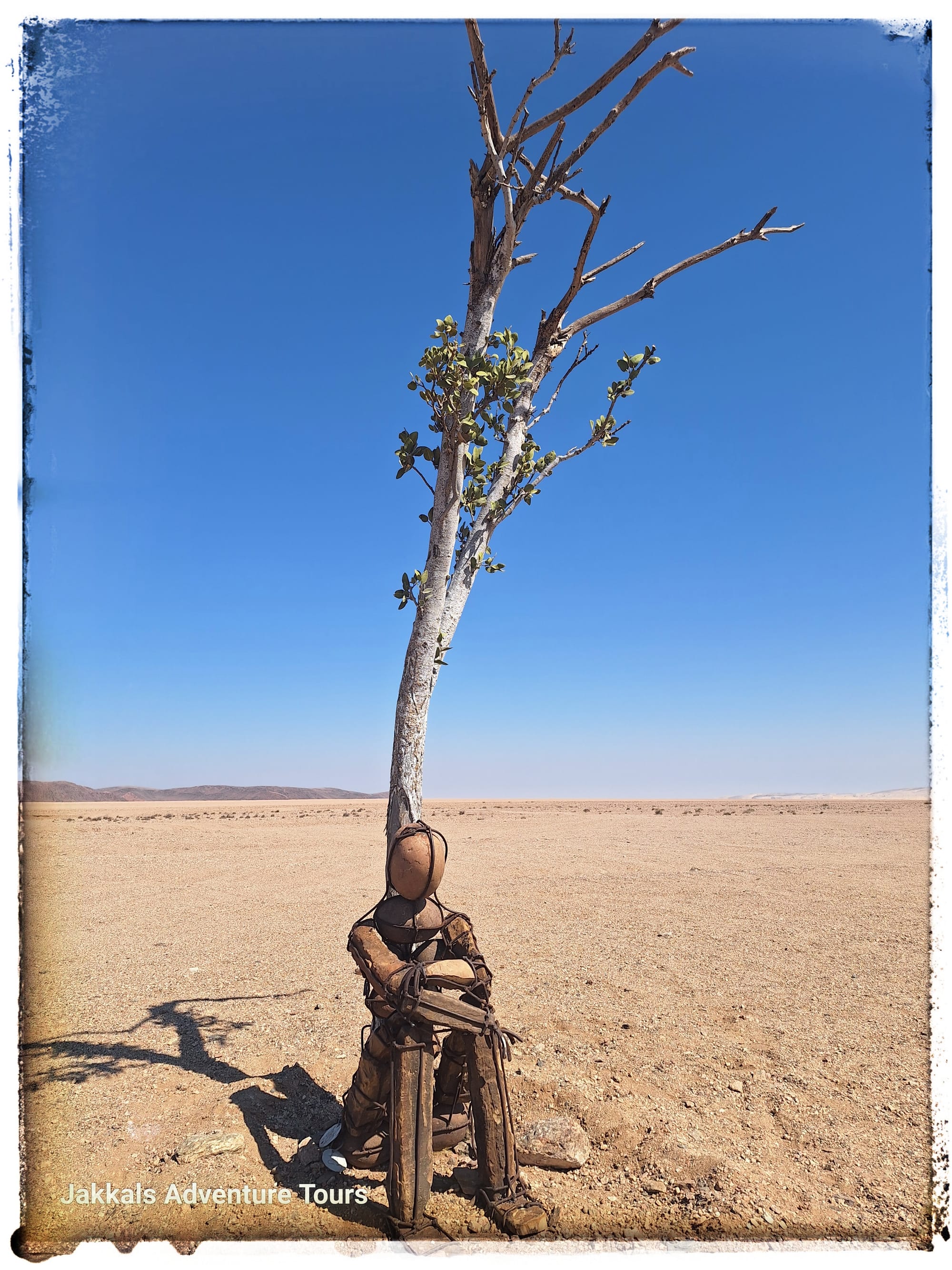
We venture off the map into the private reaches of Hartmann’s Valley, skirting the edge of Skeleton Coast National Park. Our quest: the extraordinarily rare ‘stone men’ of Kaokoland – enigmatic sculptures witnessed by only a privileged few."
Wild camping in the Monutum River.
Day 07 - 140km
Today we will drive for a while in the Khumib River again but this time the Eastern side of it. This river reaches the ocean near Rocky Point. Our aim is to reach the Purros Community Camp which means we will hop from the Khumib to the Hoarusib River.
Purros is largely a Himba area. You will find some game in the area as animals congregates along the river. It is also traditionally the domain of the desert elephants of the Kaokoland. This group of elephants have adapted over time to survive in these harsh conditions.
They are sometimes evasive, so we cannot guarantee a sighting. If you do see them keep in mind that they are known to be aggressive. This will be our last day together.
Camping – Community Camp at Puros.
End of the tour.
https://www.youtube.com/watch?v=nbjNQHlCnZ8
Tour Price: 2026. (SADC MEMBERS).
- Adults: N$16,600.00
- Child Aged 16 to 18: N$14,600.00
- Child Aged 9 to 15: N$7800.00
- Child Aged 5 to 8: N$2300.00
- Tour Price: 2026. (NON-SADC).
- Adults: N$18,750.00
- Child Aged 16 to 18: N$16,600.00
- Child Aged 9 to 15: N$9300.00
- Child Aged 5 to 8: N$3800.00
Dates available for this tour: 2026:
- 18 to 24 March (Fully Booked)
- 12 to 18 May (Fully Booked)
Then we can plan trips during the following months for you, just get in touch with us:
- May
- July
- September
- October
- December
Tour Inclusions & Exclusions
What's Included in Your Adventure
- Daily Meals: Breakfast and dinner provided each day (2 meals per day)
- Expert Guidance: Professional guides with their own dedicated vehicles
- Safety & Communication: Two-way radios equipped in all vehicles for seamless coordination
- All Essential Fees: Park permits, concession fees, and communal charges covered
- Last evening camping in Puros
What's Not Included
- Beverages (including bottled water) during meals
- Any upgrades to accommodation or modifications to the planned itinerary
- Camping equipment (we recommend bringing your own or arranging rental in advance)
Important Information
- Pricing Note: Tour costs are calculated based on current government taxes and regulations. In the event of changes, we reserve the right to adjust prices accordingly.
- Insurance Requirement: All participants must have comprehensive travel and medical insurance that covers adventure activities in Namibia.
Ready to explore Namibia's stunning landscapes? Book Your Tour Now.
Download your booking form here: Booking Form - NEW.xlsx
What Clients Need to Bring
To ensure a comfortable and safe self-sufficient 4x4 adventure, please prepare the following items. We operate in remote areas, so being fully equipped is essential.
Personal Camping Gear
- Your own camping equipment: tent, sleeping bag (bedroll), ground sheet, chairs, and any other items for comfort.
- Personal cutlery, crockery, and cooking utensils.
- Personal items: medication, sunscreen, flashlight/headlamp, camera, batteries, and toiletries.
Food & Beverages
- All beverages, snacks, and lunches for the duration of the tour.
- Drinking water for personal use.
- Minimum 60L of water for showering/washing.
- 20L of clean, potable water dedicated to cooking for the kitchen.
Firewood & Waste
- Two large bags of firewood per vehicle (more may be required depending on the tour – we will advise in advance).
- Strong, heavy-duty garbage bags (garden-grade recommended). Clients are responsible for carrying out all their own waste.
Vehicle & Water Recommendations
- If your vehicle has an onboard water tank, we recommend bringing an additional 20L jerry can for easier refills from local sources.
Your 4x4 Vehicle
- Ensure your vehicle is mechanically sound and fully serviced before departure.
- Carry a tyre pump and pressure gauge.
- At least one spare tyre.
- Recovery points/hooks fitted front and rear.
- You need to carry enough fuel for at least a 1000km range.
Insurance Note: Please confirm with your insurance provider that your vehicle is covered for off-road travel in Namibia (or the relevant country). In the event of a breakdown, we will assist with on-site recovery at an additional cost.
Important: Insurance & Emergency Cover
- Travel insurance and medical evacuation coverage are compulsory. Clients must arrange their own comprehensive policies.
Emergency Contact
- Satellite Phone (for emergencies only): +881 6 315 73962. This number allows family members to reach you when out of cellular range. It is not for general use.
- If you need constant connectivity, please bring your own satellite phone.
We look forward to an unforgettable adventure – pack well and travel safely! 🚙🏜️
See you soon
Jakkals
